
Home / Articles / How to Read a Ball Valve Specification for Oil & Gas Procurement
INDUSTRIAL VALVES · PROCUREMENT GUIDE
How to Read a Ball Valve Specification for Oil & Gas Procurement
A valve datasheet is more than a product name and nominal size. Procurement teams should check that the process data, construction, testing and documentation requirements are complete and consistent.
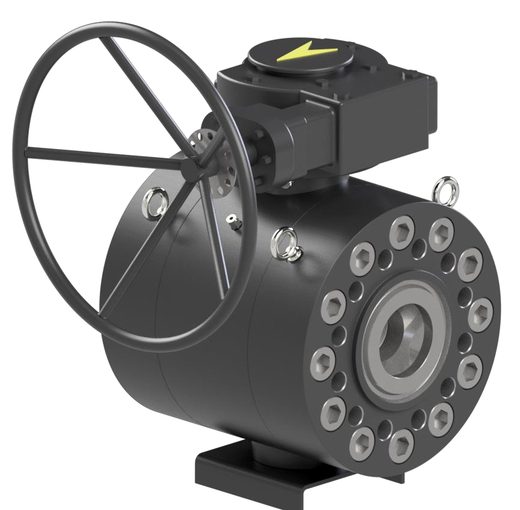
1. Start with size, rating and connections
Record nominal size, pressure class or design pressure, end connection type and facing, and any dimensional or interface requirements. A class designation is not a direct statement of the maximum allowable pressure at every temperature; consult the applicable pressure-temperature rating tables and valve standard.
2. Define the service and materials
State the fluid composition, operating and design pressure and temperature, normal and upset conditions, corrosion or erosion concerns, solids, and any sour-service requirements. Specify body, ball, stem, trim, seat and seal materials as required by the project. Material selection must be compatible with the service and applicable material standards; generic terms such as “stainless steel” may be insufficient.
3. Clarify the valve design and operation
Indicate floating or trunnion-mounted design if required, full or reduced port, fire-safe or antistatic features where specified, required flow direction or cavity relief behaviour, and expected operating frequency. Define manual operation or actuator type, required torque basis, accessories, control signals, fail position and any emergency shutdown interface.
4. List standards and acceptance criteria
Name the applicable design, inspection and testing standards and editions required by the project. Depending on the service and specification, references may include API 6D, API 598 or ASME B16.34; these standards have different scopes and should not be treated as interchangeable. Confirm the project’s requirements for pressure tests, seat leakage, inspection, NDE and any special testing.
5. Specify documentation and traceability
Define required material test reports, certificate type, inspection and test plans, pressure-test reports, drawings, datasheets, operation and maintenance manuals, country-of-origin or conformity documents, and any third-party inspection. Where EN 10204 3.1 or 3.2 is requested, confirm the precise scope and who must validate the inspection document with the purchaser and manufacturer.
6. Before issuing the purchase order
Check that the datasheet, line list, piping class, requisition, drawings and vendor quotation agree. List deviations explicitly and obtain technical approval before accepting substitutions. If information is missing, mark it for clarification rather than allowing assumptions to become the purchase basis.
7. Conclusion
A complete ball valve specification links the process duty to a defined construction, materials, standards, testing and documentation package. A structured datasheet helps reduce technical clarification and supports a more accurate quotation.
Discuss your application with WNP
Share your technical specification with WNP to discuss the required product configuration and request current manufacturer documentation.
Technical note: Technical note: This article is introductory and is not a substitute for a process hazard assessment, approved project specification or current manufacturer documentation. Confirm all ratings, materials, standards and product-specific claims for the exact configuration.