
Home / Articles / What Is a Double Block and Bleed (DBB) Valve?
INDUSTRIAL VALVES · TECHNICAL GUIDE
What Is a Double Block and Bleed (DBB) Valve?
Double block and bleed (DBB) describes an isolation arrangement that uses two blocking barriers and a means to bleed or monitor the cavity between them. The exact design and its permitted use must be confirmed for the application.
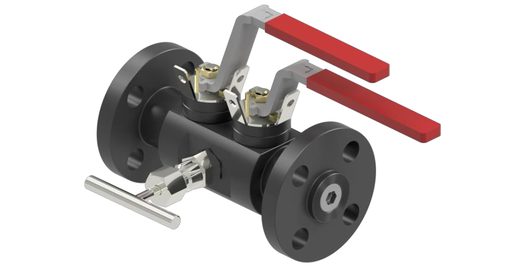
1. How does DBB work?
A DBB arrangement provides two seating surfaces or blocking elements with a bleed connection between them. The intermediate cavity can be vented, drained or monitored according to the valve design and operating procedure. This allows an operator to check whether fluid is passing a blocking barrier under defined conditions. The presence of a bleed port alone does not prove that a valve meets every project definition of DBB.
2. Integrated DBB ball valves and other arrangements
Some products integrate two blocking functions and a bleed port in a single body; other isolation systems use separate valves arranged in series with a bleed point between them. Integrated designs may reduce space and weight, but maintainability, seat design, cavity pressure behaviour and the required isolation philosophy still need review. Confirm the manufacturer’s exact configuration and terminology.
3. DBB is not a substitute for procedure
Isolation requirements depend on the risk, system pressure, fluid hazard and applicable regulations or site rules. DBB terminology is used differently across some standards and industries. Do not assume that any two-seat valve automatically provides a verified safe isolation for every maintenance task. Confirm whether the required duty is DBB, double isolation and bleed, or another defined isolation arrangement.
4. Specification checklist
Confirm line size and pressure class; fluid, pressure and temperature; body, trim and seal materials; end connections; seat arrangement and leakage criteria; bleed port size and connection; directionality or cavity relief behaviour; operating method; testing and inspection requirements; and the standard or project definition of DBB. If the valve is intended for hazardous service, have the isolation design reviewed by the responsible engineering and safety team.
5. Testing and maintenance
Ask for applicable pressure-test and seat-test procedures, inspection records and material traceability requirements. Maintenance planning should consider access to the bleed point, safe depressurisation, trapped fluid, wear and the manufacturer’s recommended service procedures. Bleeding must be conducted through a safe system suitable for the process fluid; never vent hazardous media to an unsafe location.
6. Conclusion
DBB is an isolation concept whose performance depends on the actual valve construction, test evidence and operating procedure. Verify the precise configuration and intended use with the manufacturer and project engineering team before procurement.
Discuss your application with WNP
Share your technical specification with WNP to discuss the required product configuration and request current manufacturer documentation.
Technical note: Technical note: This article is introductory and is not a substitute for a process hazard assessment, approved project specification or current manufacturer documentation. Confirm all ratings, materials, standards and product-specific claims for the exact configuration.