
Home / Articles / Flame Arrester Selection
TANK SAFETY · TECHNICAL GUIDE
How to Select a Flame Arrester for Industrial Applications
A practical starting point for engineers, maintenance teams and procurement professionals evaluating flame arresters for storage tanks and process piping.
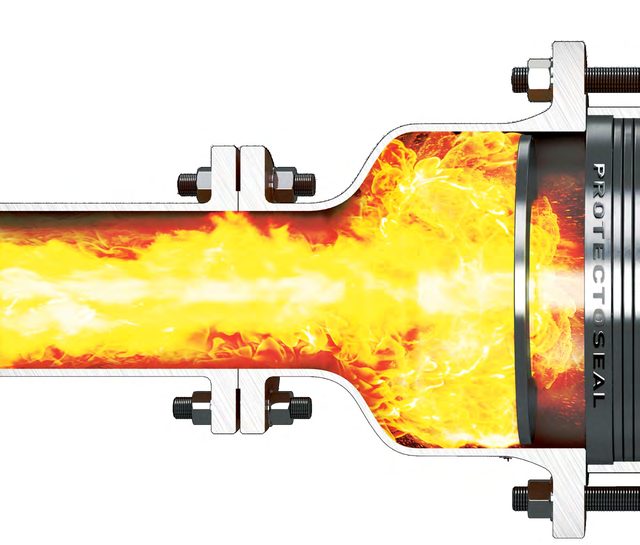
A flame arrester is a passive safety device designed to allow gas or vapour to pass while preventing flame transmission through a vent, vessel opening or connected pipework. Its internal element helps remove heat from the flame front so combustion cannot continue through the device under the conditions for which it has been designed and tested.
Flame arresters are not interchangeable components. The correct type depends on where ignition may occur, what equipment needs protection, the possible flame behaviour, and the process conditions. The following factors provide a practical framework for preparing a specification and discussing requirements with a qualified manufacturer.
1. Identify the hazard and what must be protected
Begin by mapping the process and identifying credible ignition locations. Consider whether a flame could originate outside a tank vent, inside a connected pipeline, or on either side of the proposed arrester. Also identify the equipment and personnel the protection system is intended to safeguard.
This assessment helps establish the required arrester type and its position. It should be based on the process hazard analysis and system design, not solely on the nominal pipe size or the appearance of an existing installation.
2. Understand the main types of flame arrester
End-of-line deflagration flame arresters
These are installed at the end of a pipeline or at a vessel vent. Their intended role is to prevent an external atmospheric flame from travelling into the protected tank or system. The arrangement and exposure to weather should be considered when selecting the unit.
In-line deflagration flame arresters
These are installed within piping to protect connected equipment against flame propagation associated with a deflagration. Their suitability depends on the anticipated flame conditions and the installation arrangement, including the distance and geometry between potential ignition sources and the arrester.
In-line detonation flame arresters
These are designed for more severe flame and pressure-wave conditions associated with detonations in piping. Pipe length, bends, valves, obstructions and other features can influence flame acceleration. A detonation-rated device should not be selected or substituted based on appearance alone.
These categories describe different duties, not a simple ranking where one type is always best. The required protection must be established for the actual scenario. Manufacturer terminology and available configurations may vary, so confirm the designation against the applicable product documentation.
3. Check the gas or vapour properties
The flammable medium is a key input to selection. Provide the manufacturer with the actual gas or vapour composition and the relevant operating information. Gas group classifications and parameters such as maximum experimental safe gap (MESG) may be relevant to determining whether a tested arrester is suitable for the medium.
Do not assume that a device suitable for one gas is suitable for every flammable mixture. Confirm the classification system, test basis and compatibility with the manufacturer and the project’s applicable standards.
4. Confirm process conditions and flow requirements
A flame arrester element creates resistance to flow, so the device introduces a pressure drop. Selection should consider the required flow rate and the pressure drop the process can tolerate, alongside the protection duty.
- Normal and expected operating flow rates.
- Operating pressure and temperature, including relevant extremes.
- Gas or vapour composition and any changes in the process stream.
- Potential fouling, corrosion, condensation, icing or accumulation of debris.
- Required materials and connection details for the service environment.
Flame arresters are designed and tested for defined operating limits. If the actual process conditions fall outside the manufacturer's stated limits, request a technical assessment rather than extrapolating from a standard application.
5. Review location, direction and piping layout
Installation position is part of the safety design. For a deflagration arrester, the location relative to potential ignition sources can be important because a flame may accelerate as it travels through a pipe. Detonation applications require a different assessment of flame and pressure-wave conditions.
Also determine whether the flame could approach from one direction or either direction. If ignition can occur on both sides, confirm whether a bi-directional design is required. Review pipe bends, valves, reducers, branches, protruding gaskets and other features that may affect the flow or flame behaviour.
For end-of-line equipment, follow the manufacturer's orientation and weather-protection requirements. In-line units may also need special consideration if liquid can collect in the element. Final positioning must follow the approved design and manufacturer's installation instructions.
6. Plan inspection and maintenance
The narrow passages in a flame arrester element can collect dirt or become blocked. Fouling can increase pressure drop and reduce process flow; damage or an event involving flame passage may also affect the device's condition.
Establish an inspection and maintenance plan based on the manufacturer's instructions, the process medium, the likelihood of fouling and the operating environment. If a flashback, detonation or sustained burning is known or suspected, have the device assessed before returning it to service. Do not assume it remains fit for duty without inspection.
Information to prepare before requesting a quotation
Providing a clear application summary helps the supplier and manufacturer assess the correct configuration. Where available, prepare:
- Process description and the equipment requiring protection.
- Gas or vapour composition and applicable gas group information.
- Potential ignition locations and the anticipated flame scenario.
- Flow rate, operating pressure and temperature, including design cases.
- Pipe size, layout, connection standard and installation orientation.
- Material, corrosion, fouling and environmental requirements.
- Applicable project specifications, standards and documentation requirements.
If some information is not yet known, identify it as an open item rather than guessing. The manufacturer may need additional process data to determine whether a particular design is suitable.
Conclusion
Reliable flame arrester selection starts with the hazard scenario and the equipment to be protected. The flame type, gas or vapour properties, flow and pressure-drop limits, installation layout, operating environment and maintenance requirements all need to be considered together.
A flame arrester is one part of a broader process safety arrangement. Final selection, sizing, installation and maintenance should be reviewed by qualified personnel and confirmed against the manufacturer's current documentation and applicable project requirements.
Need help specifying a flame arrester?
PT Waskita Niagaprima supplies Protectoseal flame and tank safety equipment in Indonesia. Share your application details and project requirements with our team for product and manufacturer coordination.
Technical note: This article is an introductory selection guide based on general principles described in Protectoseal's Flame Arrester Guide and A Guide to Flame Arresters poster supplied for drafting. It is not a substitute for product-specific instructions, application engineering, hazard analysis or the manufacturer's confirmation. Verify all selection criteria against current manufacturer documentation and project requirements.