
Home / Articles / Pressure/Vacuum Relief Valves vs. Emergency Vents: What Is the Difference?
TANK SAFETY · TECHNICAL GUIDE
Pressure/Vacuum Relief Valves vs. Emergency Vents: What Is the Difference?
Storage tanks need protection against pressure and vacuum conditions, but normal breathing and emergency venting are different duties. The device arrangement must follow the tank design and applicable engineering requirements.
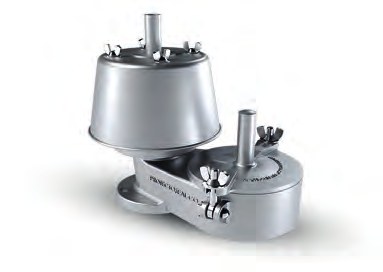
1. What is a pressure/vacuum relief valve?
A pressure/vacuum relief valve (PVRV) is generally used to help limit pressure and vacuum excursions during normal tank breathing, such as changes caused by filling, emptying or temperature variation. The set points and capacity must be compatible with the tank design and the process. A PVRV is not a substitute for a complete tank protection assessment.
2. What is an emergency vent?
An emergency vent is intended to provide additional venting capacity for specified emergency scenarios, which may include external fire exposure where required by the design basis. Its duty, opening characteristics and required capacity differ from routine tank breathing. Whether a particular tank requires an emergency vent, and how it is sized, must be determined from the applicable codes, tank design and hazard assessment.
3. Why are the functions different?
Normal breathing loads are driven by routine operating events and thermal effects. Emergency scenarios can create substantially different vapour-generation and heat-input conditions. Treating these duties as identical can lead to an incomplete design. Emergency venting should be considered as part of a coordinated protection strategy rather than an add-on selected from nominal tank size alone.
4. Key specification inputs
Confirm tank type and design pressure/vacuum limits; product properties and vapour characteristics; maximum filling and emptying rates; thermal breathing assumptions; required set pressures; vent piping and backpressure; environmental and corrosion conditions; and applicable design standards. For emergency venting, document the credible emergency case and the engineering basis for the required capacity.
5. Installation and maintenance
Follow manufacturer instructions for orientation, weather protection, access, inspection and maintenance. Deposits, corrosion, icing, polymerisation or other process effects can interfere with moving parts or vent paths depending on the service. Inspection intervals and maintenance practices should be established from the manufacturer’s guidance, site procedures and risk assessment.
6. Conclusion
PVRVs and emergency vents may both relieve tank pressure, but they are not automatically interchangeable. Confirm the intended duty, sizing basis, set points, tank limits and applicable requirements with the tank designer and equipment manufacturer before procurement.
Discuss your application with WNP
Share your technical specification with WNP to discuss the required product configuration and request current manufacturer documentation.
Technical note: Technical note: This article is introductory and is not a substitute for a process hazard assessment, approved project specification or current manufacturer documentation. Confirm all ratings, materials, standards and product-specific claims for the exact configuration.